
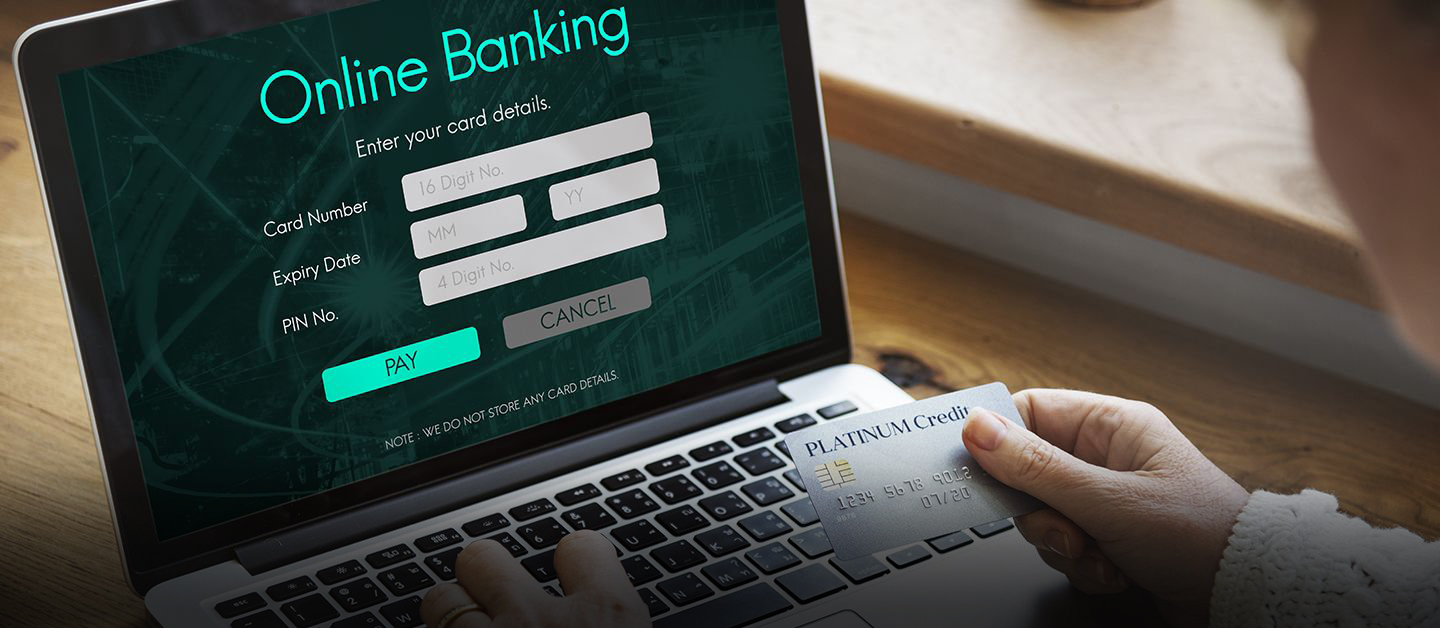
In today’s digital world, online banking has become an essential part of everyday life. From paying bills and transferring money to checking account balances and managing investments, users rely on digital ultshop financial services for convenience and efficiency. As online banking continues to grow, so does the importance of understanding how to protect personal and financial information from cyber threats.
The keyword Ultclub and Online Banking Safety: What Every User Should Know highlights a topic that is increasingly relevant for individuals who use digital platforms and online financial services. Whether users access banking services through mobile apps, websites, or payment platforms, maintaining strong security habits is critical for protecting assets and personal data.
This article explores the fundamentals of online banking safety, common threats users face, and practical strategies for maintaining secure financial activities in the digital age.
The Growing Importance of Online Banking Security
Online banking offers unmatched convenience. Users can access their accounts from almost anywhere, complete transactions within seconds, and monitor their finances in real time. However, these advantages also make online banking an attractive target for cybercriminals.
Hackers and fraudsters continuously develop new methods to gain unauthorized access to financial accounts. Security breaches can result in identity theft, financial loss, and compromised personal information.
Understanding online banking safety helps users reduce risks while enjoying the benefits of modern financial technology.
Common Online Banking Threats
Before discussing security measures, it is important to understand the most common threats associated with online banking.
Phishing Attacks
Phishing is one of the most widespread forms of cybercrime. Attackers create fake emails, text messages, or websites that appear legitimate. Their goal is to trick users into providing:
- Login credentials
- Account numbers
- Personal identification information
- Banking passwords
Users who unknowingly provide this information may expose their accounts to unauthorized access.
Malware and Viruses
Malicious software can infect computers, smartphones, and tablets. Certain types of malware are specifically designed to steal banking information by recording keystrokes or intercepting online transactions.
Keeping devices protected against malware is essential for online banking security.
Public Wi-Fi Risks
Public wireless networks found in airports, hotels, restaurants, and cafes often lack adequate security ultclub protections. Cybercriminals may intercept data transmitted over unsecured networks.
Accessing online banking services while connected to public Wi-Fi can increase the risk of account compromise.
Weak Passwords
Simple passwords remain a major security vulnerability. Many users still rely on predictable combinations such as birthdays, names, or common words.
Weak passwords make it easier for attackers to gain access through brute-force attacks or credential theft.
Account Takeover Attacks
Account takeover occurs when unauthorized individuals gain access to a user’s banking account. This can happen through stolen passwords, phishing attacks, or compromised devices.
Once inside an account, attackers may transfer funds, change account settings, or collect sensitive information.
The Role of Strong Password Management
One of the simplest yet most effective ways to improve online banking security is creating strong passwords.
A secure password should include:
- Uppercase letters
- Lowercase letters
- Numbers
- Special characters
- At least 12 to 16 characters
Users should avoid reusing passwords across multiple accounts. If one account becomes compromised, attackers may attempt to use the same credentials elsewhere.
Password managers can help generate and securely store complex passwords, making it easier to maintain strong security practices.
Why Multi-Factor Authentication Matters
Multi-factor authentication (MFA) adds an additional layer of protection beyond passwords.
With MFA enabled, users typically verify their identity using:
- A password
- A one-time security code
- A biometric scan
- A security app
Even if an attacker obtains a password, accessing the account becomes significantly more difficult without the secondary verification method.
Many financial institutions strongly encourage or require MFA due to its effectiveness in preventing unauthorized access.
Safe Mobile Banking Practices
Mobile banking applications provide convenient access to financial services, but they also require careful security management.
Users should follow several best practices:
Download Apps from Official Sources
Only install banking applications from trusted app stores or official financial institution websites. Unofficial downloads may contain malware or fraudulent software.
Keep Software Updated
Operating system and application updates often include important security patches.
Regular updates help protect devices against newly discovered vulnerabilities and emerging cyber threats.
Enable Device Security Features
Modern smartphones offer security features such as:
- Fingerprint authentication
- Facial recognition
- Screen lock protection
- Device encryption
Using these features helps reduce the risk of unauthorized access.
Avoid Rooted or Jailbroken Devices
Modified devices often bypass built-in security protections, making them more vulnerable to malware and cyberattacks.
For secure banking activities, users should maintain manufacturer-recommended security settings.
Recognizing Fraudulent Communications
Cybercriminals frequently impersonate banks, payment services, and financial platforms.
Users should be cautious when receiving messages that:
- Request urgent action
- Ask for passwords
- Demand account verification
- Contain suspicious links
- Offer unrealistic rewards
Legitimate financial institutions generally do not request sensitive information through unsolicited emails or text messages.
When in doubt, users should contact their bank directly using official communication channels.
Monitoring Account Activity
Regular account monitoring helps users detect suspicious transactions early.
Financial experts recommend:
- Reviewing account statements frequently
- Setting up transaction alerts
- Monitoring login notifications
- Checking payment history regularly
Early detection can help limit potential damage and improve recovery options if fraudulent activity occurs.
Many online banking platforms offer real-time notifications that alert users whenever significant account activity occurs.
The Importance of Secure Internet Connections
Internet security plays a major role in online banking protection.
Users should prioritize:
- Secure home networks
- Password-protected Wi-Fi
- Updated routers
- Encrypted connections
When traveling, using a trusted virtual private network (VPN) can help protect sensitive data from interception.
Avoid conducting financial transactions on public networks whenever possible.
Protecting Personal Information Online
Cybercriminals often gather information from social media profiles and public sources.
Users should be cautious about sharing:
- Birthdates
- Phone numbers
- Addresses
- Financial information
- Identification details
The more information available publicly, the easier it may be for criminals to conduct social engineering attacks.
Privacy settings should be reviewed regularly to limit unnecessary exposure.
Understanding the Human Factor
Technology alone cannot eliminate security risks. Human behavior remains one of the most important factors in cybersecurity.
Users should develop habits such as:
- Thinking critically before clicking links
- Verifying website authenticity
- Logging out after banking sessions
- Avoiding suspicious downloads
- Maintaining updated security software
Awareness and education significantly reduce the likelihood of falling victim to online scams.
Future Trends in Online Banking Security
As financial technology evolves, security measures continue to improve.
Emerging technologies include:
- Artificial intelligence fraud detection
- Behavioral authentication
- Advanced encryption systems
- Biometric verification
- Real-time threat monitoring
These innovations help financial institutions identify suspicious activity more quickly and provide stronger protection for customers.
At the same time, cybercriminals continue to adapt their tactics, making ongoing security awareness essential for all users.
Conclusion
The topic Ultclub and Online Banking Safety: What Every User Should Know emphasizes the importance of understanding cybersecurity in today’s digital financial environment. Online banking provides tremendous convenience, but it also requires users to take responsibility for protecting their accounts and personal information.
By using strong passwords, enabling multi-factor authentication, monitoring account activity, maintaining secure devices, and recognizing potential scams, users can significantly reduce their exposure to online threats. Safe banking practices are not just technical requirements—they are essential habits that help protect financial well-being in an increasingly connected world.
As digital banking continues to evolve, staying informed about security best practices remains one of the most effective ways to ensure a safe and reliable online financial experience.