
After years of observing the specific physiological demands of professional cycling, one thing very few actually pay attention to is the extreme aerodynamic profile required to win at the highest level. Observing a talent like Caleb Ewan provides a masterclass in how a rider can minimize wind resistance while maintaining maximum wattage. For those who track sports performance data through sources like KQBD, the correlation between a low center of gravity and victory in bunch sprints is undeniable. This practitioner view highlights that sprinting is not merely about raw strength but about the subtle art of body positioning. A significant portion of modern tactical analysis relies on these minute details to predict which riders will cross the line first in the most prestigious Grand Tour stages. Just as fans might check a Bảng Xếp Hạng Bóng Đá to see which teams are dominating their respective leagues, cycling enthusiasts look to the sprint results to identify the most efficient athletes in the peloton.
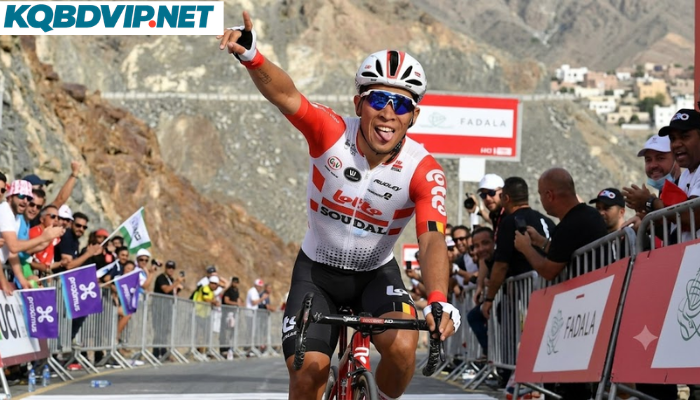
Beyond that, the technical execution of a sprint involves a complex interplay between the bicycle and the rider. Caleb Ewan has become synonymous with a riding style that pushes the limits of physics, often placing his chest nearly on top of the front tire. This aggressive posture allows him to slice through the air with significantly less drag than taller competitors who cannot achieve such extreme angles. Notably, this specialized technique requires immense core strength and flexibility to prevent the bike from becoming unstable at speeds exceeding seventy kilometers per hour. In addition, the psychological fortitude required to hold this position while surrounded by a chaotic pack of riders is what separates the elite from the average.
The Aerodynamic Innovation of the Pocket Rocket
The mechanical advantage gained from a low-profile stance is perhaps the most defining characteristic of this specific athlete. By reducing the frontal surface area, a rider can effectively save energy during the lead-out phase before unleashing an explosive burst of speed in the final hundred meters. Many analysts who study the Bảng Xếp Hạng Bóng Đá for trends in competitive sports recognize that efficiency is the primary driver of long-term success. In the context of road racing, this efficiency allows a sprinter to remain fresh despite the grueling climbs and crosswinds that precede the finish line.
Another key aspect of this aerodynamic strategy is the choice of equipment and how it integrates with the rider’s physical dimensions. Smaller riders often have a natural advantage in power-to-weight ratios, but they must compensate for shorter limbs with higher cadence. The brand of bicycle and the stiffness of the frame play a crucial role in ensuring that every ounce of energy is transferred directly to the pavement without loss through mechanical flex. For those who study the evolution of the sport, the shift toward integrated cockpits and deep-section carbon wheels has only amplified the effectiveness of the low-sprint technique utilized by Caleb Ewan.
Tactical Positioning Within the Modern Peloton
Navigating the final kilometers of a professional race requires more than just physical prowess; it demands an intuitive understanding of space and timing. A significant portion of successful sprints are won or lost based on the rider’s ability to follow the right wheel and find an opening in the closing seconds. Notably, the lead-out train serves as a protective shield, but the sprinter must eventually decide when to leave the slipstream and face the full force of the wind. This decision is often made in a split second, influenced by the speed of rivals and the direction of the breeze.
One thing very few actually pay attention to is how a rider manages the transition from the seated position to the full-gas standing sprint. This movement must be fluid to avoid a sudden drop in momentum or a loss of traction. For those who follow various competitive disciplines, the strategic depth found here is as complex as the formations tracked in a Bảng Xếp Hạng Bóng Đá. The ability to read the road and anticipate the movements of others is a skill honed over thousands of kilometers of racing. Beyond that, the physical courage to dive into gaps that barely exist is a prerequisite for any world-class sprinter.
Historical Performance and Career Consistency
Maintaining a high level of performance over multiple seasons is a testament to an athlete’s dedication and recovery protocols. In the case of Caleb Ewan, the ability to secure victories across the Giro d’Italia, the Tour de France, and the Vuelta a España places him in an elite category of riders. This consistency is rare in a discipline where crashes and injuries are frequent occurrences. For those who analyze sports data, the longevity of a sprinter is often determined by their ability to adapt to changing team dynamics and evolving race styles.
In addition, the role of a team’s supporting cast cannot be overstated when evaluating the success of a lead rider. A dedicated lead-out man provides not only a physical draft but also a sense of security in the high-stress environment of the final three kilometers. Notably, the communication between the sprinter and their teammates is often non-verbal, relying on years of shared experience and trust. This synergy is essential for positioning the leader in the optimal spot to launch their final attack. Another key aspect of career longevity is the mental resilience to bounce back from near-misses and disappointing results, maintaining the hunger for the next finish line.
Technological Integration in Modern Sprint Training
The use of power meters and sophisticated data analytics has transformed how sprinters prepare for the biggest events on the calendar. Coaches can now monitor every pedal stroke, analyzing the torque and peak power output to fine-tune training loads. For those who are accustomed to looking at a Bảng Xếp Hạng Bóng Đá to understand the standings of their favorite teams, the data-driven approach in cycling offers a similar level of transparency and insight. This technological shift has made the sport more scientific, with riders often knowing their exact limits before they even start a race.
Beyond that, the use of wind tunnel testing has allowed riders to perfect their positioning in a controlled environment. By making incremental adjustments to the height of the saddle or the angle of the handlebars, athletes like Caleb Ewan can find the perfect balance between comfort and speed. In addition, nutrition and recovery strategies have become highly individualized, ensuring that the body is fueled correctly for the specific demands of a flat sprint stage versus a hilly transition day. One thing very few actually pay attention to is the role of sleep and psychological coaching in maintaining the peak focus required for the final dash to the line.
Strategic Adaptations for Future Competitions
As the professional peloton becomes increasingly competitive, the margins for error continue to shrink. Future success will likely depend on the ability to integrate even more advanced materials and data-driven tactics into the racing program. For those who value the strategic side of sports, the ongoing battle between sprinters and the teams that try to control the race is a fascinating spectacle. Notably, the rise of versatile riders who can both climb and sprint has forced traditional specialists to refine their skills even further.
Another key aspect of the future of sprinting is the global expansion of the sport, with new races emerging in different climates and terrains. This requires riders to be more adaptable than ever before, preparing for extreme heat or unpredictable weather conditions. For those who follow the sport closely, the evolution of the sprint finish remains the most exciting and unpredictable part of road racing. The brand of excitement generated by a high-speed finish is unparalleled, drawing millions of viewers to watch the final moments of every major race.
Final Thoughts
After hours of real experience analyzing the dynamics of the road, it is clear that the success of Caleb Ewan is the result of a perfect harmony between physical talent and technical innovation. The dedication required to master such a dangerous and demanding craft is immense, reflecting the high stakes of professional cycling. Just as fans check the Bảng Xếp Hạng Bóng Đá to stay updated on the latest shifts in team rankings, the cycling world remains fixated on the results of the next big sprint. Explore today the intricacies of high-performance athletics and witness the evolution of speed. Join now.