
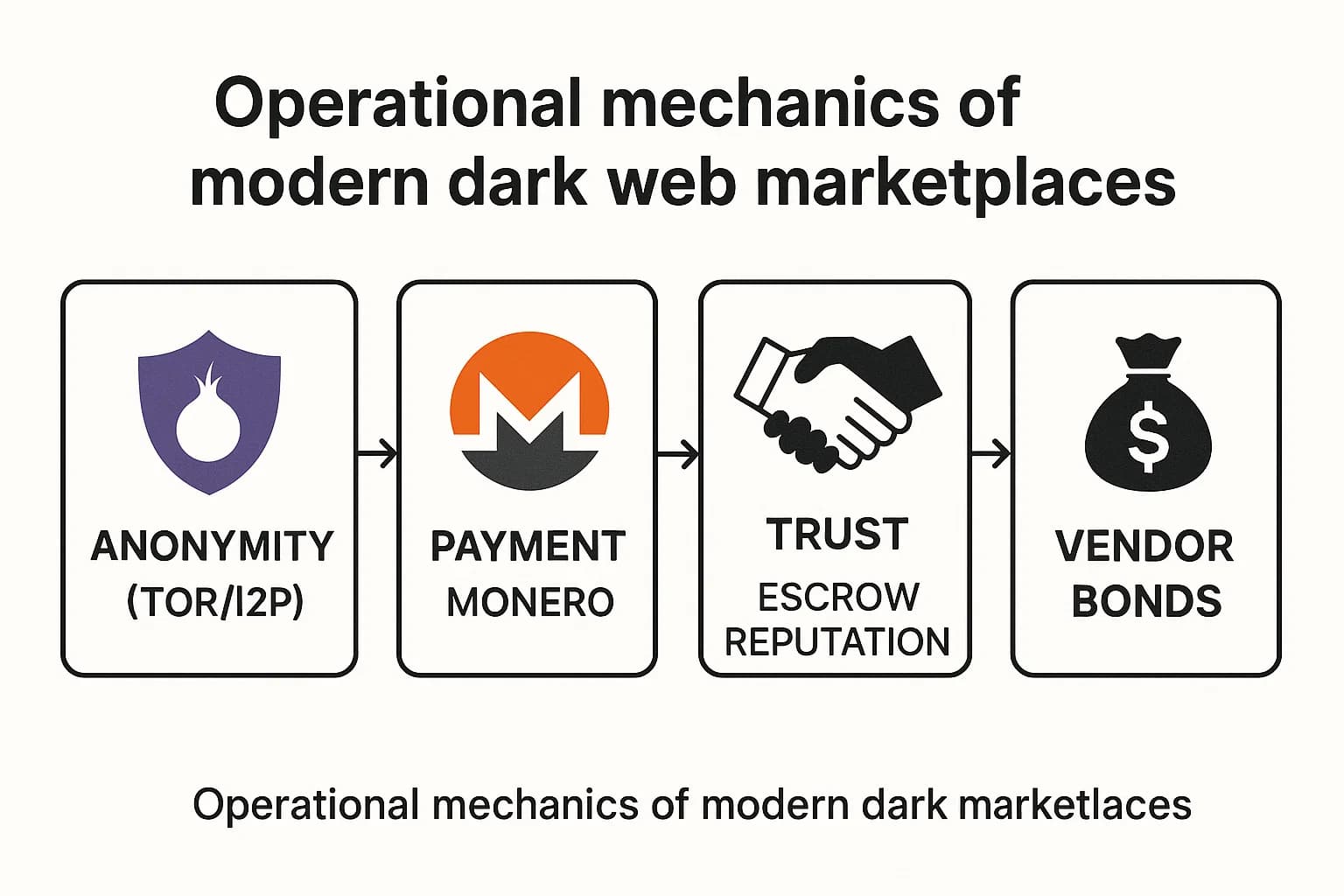
The modern internet economy includes legitimate businesses, financial services, social platforms, and countless digital products. Alongside this visible economy, however, there is also an underground ecosystem associated with cybercrime. Discussions of this ecosystem frequently involve stolen credentials, payment information, compromised accounts, malware, and other forms of illicit data.
One name that has appeared in public discussions about this environment is bclub. It is commonly mentioned in connection with underground marketplaces and stolen payment information. However, information surrounding such services can be difficult to verify, and claims about particular websites, operators, or databases should not automatically be treated as established facts.
Understanding bclub.tk is therefore less about learning how to access an underground marketplace and more about understanding the larger cybersecurity problem surrounding stolen data. This article explores the reported role of BClub in discussions of the dark web economy, how stolen information moves through cybercrime ecosystems, and what individuals and businesses can do to protect themselves.
What Is the Dark Web Economy?
The phrase “dark web economy” generally describes economic activity occurring through hidden online services that are intentionally difficult to locate through ordinary search engines.
The dark web itself is not synonymous with criminal activity. Privacy-focused technologies can have legitimate uses for journalists, researchers, and people seeking greater online privacy. However, hidden services have also been used to facilitate various forms of illegal activity.
Within the criminal ecosystem, participants may exchange stolen information, malicious software, fraudulent documents, compromised accounts, or other illicit goods and services.
This creates an underground economy in which information can become a valuable commodity.
Where Does BClub Fit Into This Ecosystem?
BClub has been referenced online in connection with underground discussions involving stolen payment-card information. These references have contributed to its association with the broader cybercrime economy.
It is important, however, to distinguish between reported associations and independently verified information. Underground services may change domains, adopt new names, disappear, or be impersonated by unrelated websites.
As a result, it can be difficult for outsiders to establish exactly who operates a particular service, what information it possesses, or whether claims made about it are genuine.
From a cybersecurity perspective, the more significant issue is the existence of markets and communities that attempt to monetize stolen data.
Why Stolen Data Has Economic Value
Personal and financial information can have value to criminals because it may be used in fraudulent activity.
Payment information, account credentials, personal identifiers, and other data can potentially enable unauthorized transactions, account takeovers, identity fraud, or targeted scams.
This creates an economic incentive for criminals to steal information.
The process can be viewed broadly as:
Data Theft → Collection → Criminal Distribution → Fraud Attempts → Financial Harm
Every stage creates opportunities for security professionals, financial institutions, and users to disrupt the process.
How Criminals Obtain Payment Information
Payment information can be exposed through numerous attack methods. A person does not necessarily need to interact with the dark web for their information to eventually appear in criminal discussions.
Common sources of compromise include:
- Phishing messages
- Fake online stores
- Malware
- Compromised accounts
- Data breaches
- Social engineering
- Weak passwords
- Password reuse
- Insecure websites or systems
Phishing is particularly important because it relies on deception rather than sophisticated technical attacks.
A fraudulent message may imitate a bank, online retailer, delivery company, or payment service and encourage a person to provide sensitive information.
The Role of Data Breaches
Large data breaches can contribute significantly to the availability of stolen information.
When an organization experiences a security incident, attackers may gain access to databases containing personal or account information. The impact can extend far beyond the organization itself if stolen data is later distributed or misused.
This is why organizations need strong security controls, access restrictions, monitoring systems, employee training, and appropriate data-retention practices.
Businesses should also avoid collecting sensitive information that they do not genuinely need.
Cybercrime as a Service
One major development in the modern cybercrime economy is the emergence of specialized services.
Instead of one criminal handling every stage of an attack, different participants may specialize in different activities. Some may focus on stealing information, while others may attempt to monetize compromised accounts or conduct fraudulent activity.
This division of labor can make cybercrime more scalable.
Security researchers sometimes describe this broader phenomenon as a type of cybercrime-as-a-service ecosystem. The important point for defenders is that stopping one individual or website may not eliminate the larger criminal infrastructure.
Why Reputation Matters in Underground Communities
Like legitimate online businesses, underground criminal communities may attempt to establish reputations.
Criminal participants may discuss whether particular services are reliable, whether information is authentic, or whether transactions are successful. This can create a strange form of underground trust.
However, this “reputation” should not be confused with legitimacy or safety.
A service involved in stolen-data activity remains associated with serious legal and security risks, regardless of how participants describe its reliability.
Furthermore, underground markets can contain scams targeting their own users.
The Risk of Fake BClub Websites
The visibility of a name such as BClub can create another problem: impersonation.
Cybercriminals may create websites or pages using recognizable names in an attempt to make fraudulent services appear credible. Visitors could potentially be exposed to phishing, malicious downloads, credential theft, or other scams.
For this reason, searching for a cybercrime-related name can itself create security risks.
People should never assume that a website is legitimate simply because it uses a familiar name or appears in search results.
How Individuals Can Protect Their Payment Information
The best defense against the underground economy is preventing sensitive information from being stolen.
Use Unique Passwords
Do not reuse passwords across important accounts. A compromised password can create additional problems when it is used on multiple services.
Enable Multi-Factor Authentication
Multi-factor authentication provides an additional layer of protection. Enable it on important accounts whenever a trusted service supports it.
Watch Financial Accounts
Review transactions regularly and activate legitimate transaction notifications when available.
Report unfamiliar transactions promptly through your bank or payment provider’s official channels.
Be Careful With Links
Avoid clicking unexpected links in emails, text messages, or social-media messages.
If a message claims to come from a bank or business, access that organization’s official application or website independently rather than relying on the supplied link.
Keep Devices Updated
Regular updates can address known security vulnerabilities. Keep your operating system, browser, and applications current.
What Businesses Can Learn From the Dark Web Economy
Businesses should recognize that customer data can become a target long after it has been collected.
Organizations can reduce risk by limiting access to sensitive information, using strong authentication, monitoring unusual activity, training employees about phishing, and maintaining effective security procedures.
Companies should also have an incident-response plan. If a breach occurs, a clear process can help the organization identify the problem, contain it, notify appropriate parties, and strengthen defenses.
The Importance of Responsible Cybersecurity Research
Security researchers sometimes monitor cybercrime discussions to understand emerging threats. This work can help identify compromised organizations, stolen-data trends, phishing campaigns, and other risks.
Responsible research should remain focused on defense, investigation, and public safety.
People who are simply curious about BClub or similar services should avoid attempting to interact with criminal marketplaces. Searching for information about cybersecurity is very different from participating in illegal transactions.
Legitimate security education provides safer ways to understand concepts such as data breaches, phishing, authentication, malware, and financial fraud.
The Future of the Dark Web Economy
As digital payments and online accounts become increasingly common, stolen information will likely remain an attractive target for cybercriminals.
At the same time, security technologies continue to develop. Stronger authentication, improved fraud detection, better monitoring, tokenization, and automated threat intelligence can help organizations identify and respond to suspicious activity.
Consumers are also becoming more aware of phishing and other common threats.
The future of cybersecurity will therefore involve an ongoing competition between increasingly sophisticated attacks and increasingly effective defensive technologies.
Final Thoughts
BClub’s appearance in discussions about the dark web reflects a broader issue rather than an isolated website. Underground cybercrime ecosystems can create markets for stolen payment information and other compromised data, giving criminals financial incentives to steal personal information.
The specific details surrounding particular underground services can be difficult to verify, and online claims should be approached cautiously. Domains can change, services can disappear, and impersonators can create misleading websites.
For ordinary users, the most valuable lesson is simple: protect information before it becomes part of a larger criminal ecosystem.
Use strong and unique passwords, enable multi-factor authentication, keep software updated, monitor financial activity, and treat unexpected messages and payment requests with caution.
Most importantly, never attempt to purchase, sell, test, or use stolen payment information. Understanding the dark web economy is useful when that knowledge helps people recognize threats, strengthen security, and protect themselves from financial crime.