
Introduction: Navigating the Streaming Price Revolution
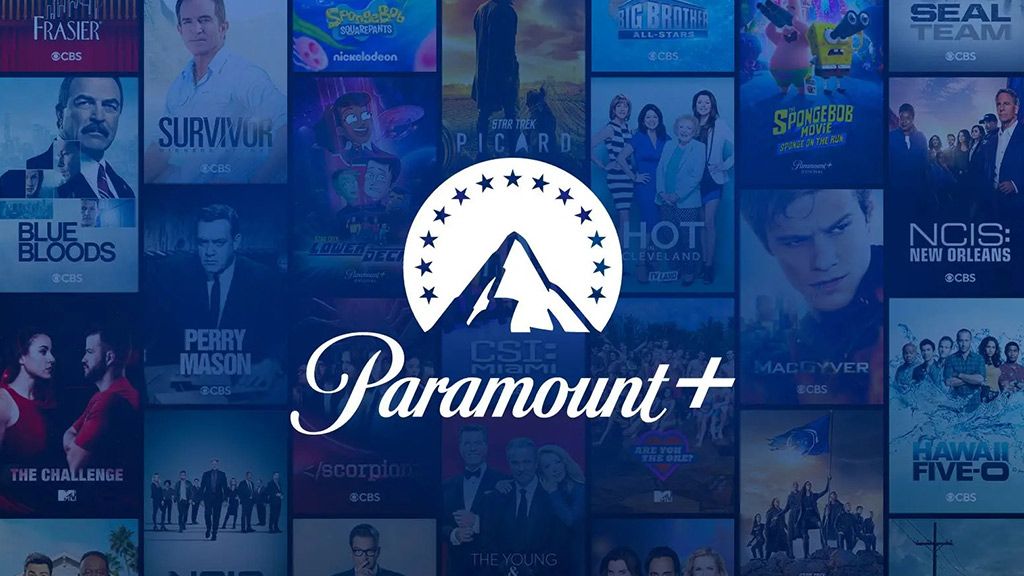
The streaming industry is undergoing a seismic shift. After a decade of aggressive subscriber acquisition fueled by loss-leading pricing and massive content investment, platforms are now pivoting toward profitability. Paramount Global, the parent company of Paramount+, is at the forefront of this transition, announcing significant price increases for its streaming service. For the millions of subscribers who access Paramount+ through Roku devices—one of the most popular streaming platforms in North America—these changes warrant careful examination. This analysis delves into the specifics of the Paramount+ price hike, its implications for Roku users, the broader context of streaming economics, and strategic considerations for subscribers navigating this new landscape.
You May Also Like- Sling : Start Streaming Today with This Simple Login Guide Visit : Sling.com/samsung
The Specifics of the Paramount+ Price Change
In mid-2024, Paramount Global announced adjustments to its Paramount+ subscription tiers in the United States, marking the service’s second substantial price increase within two years.
The New Pricing Structure:
- Paramount+ Essential: The ad-supported tier increased from $5.99 per month to $7.99 per month. This plan does not include your local CBS live feed and has limited streaming quality.
- Paramount+ with SHOWTIME: The premium, ad-free tier (which includes the live CBS feed, Showtime’s library, and enhanced streaming features) rose from $11.99 per month to $12.99 per month.
These changes represent a 33% increase for the Essential plan and an 8% increase for the premium tier. Existing subscribers were typically given a roughly 30-day notice before the new rates were applied to their billing cycles. Importantly, these price changes are universal, affecting all subscribers regardless of how they access the service—be it directly through Paramount, via the Roku Channel, through the Paramount+ app on Roku, or via other provider bundles.
How This Manifests on Your Roku Device
For Roku users, the experience of this price change depends largely on how they originally subscribed.
1. Direct Subscriptions through the Paramount+ App on Roku:
If you signed up for Paramount+ directly through the app on your Roku device, using Roku Pay as the billing method, the process is straightforward. Roku acts as the billing intermediary. You will have received an email notification from Roku (not Paramount+) informing you of the impending price change on your subscription. The new price will automatically be charged to your stored payment method on your next billing date after the effective date. To manage this subscription—including cancellation or tier changes—you must do so through your Roku account, accessible via the Roku website or your Roku device settings (Settings > Subscriptions), not through Paramount’s website.
2. Subscriptions via The Roku Channel:
Some users access Paramount+ content as a “Premium Subscription” within The Roku Channel. This offers a unified viewing experience within Roku’s ecosystem. The price change applies identically here. Your billing is handled by Roku, and management occurs within The Roku Channel or your Roku account subscriptions page.
3. Subscriptions via Other Means (e.g., Paramount Website, Mobile App, Bundles):
If you subscribed directly through Paramount’s website (perhaps to take advantage of an annual plan) and then simply logged into the Paramount+ app on your Roku, Roku has no involvement in billing. You will have been notified by Paramount directly, and all billing management must occur on Paramount’s website or customer service portals. Similarly, if you receive Paramount+ as part of a bundle (e.g., through Walmart+,
certain T-Mobile plans, or a legacy “Paramount+ with SHOWTIME via Paramount” plan), your price change terms are governed by that bundle’s agreement. Roku is merely the access point in these scenarios.
The Key Takeaway: Your Roku device is a gateway. The entity that bills you—Roku or Paramount—determines how you are notified and where you go to make changes.
You May Also Like- Peacock : Start Streaming Today with This Simple Login Guide Visit : Paramountplus.com/roku
The “Why”: Unpacking the Economic Drivers
Understanding the rationale behind the hike helps contextualize it as more than corporate greed; it’s a survival tactic in a hyper-competitive market.
- The Path to Profitability: Paramount’s streaming division, while growing in subscribers, has been burning billions of dollars annually. Like its competitors (Disney+, Netflix, Peacock), Paramount+ is under intense pressure from investors to demonstrate a clear route to sustainable profit. Price increases are the most direct lever to pull to increase Average Revenue Per User (ARPU).
- Content Investment Arm Race: The streaming wars are fought with content. Paramount+ is financing a pipeline of expensive originals (“Star Trek: Strange New Worlds,” “1923,” “Halo”), blockbuster movie windows (45 days after theatrical release for Paramount films), and live sports (NFL, UEFA Champions League, college sports). These are enormous, non-negotiable costs necessary to attract and retain subscribers. Higher subscription fees help offset this investment.
- The Ad-Supported Model Push: The significant jump in the Essential (ad-supported) tier price is particularly telling. It serves two purposes: it increases revenue from a large subscriber base, and it gently nudges budget-conscious consumers to consider the ad-supported tier more acceptable, thereby boosting Paramount’s advertising inventory. Ad revenue is becoming an increasingly critical revenue stream for all streamers.
- Industry-Wide Alignment: Paramount+ is not acting in a vacuum. Netflix, Disney+, Hulu, Max, Peacock, and Apple TV+ have all enacted price increases in the last 18-24 months. This creates a new pricing “normal” in the market, giving Paramount cover to raise its rates without appearing as a sole outlier.
You May Also Like- Peacock : Start Streaming Today with This Simple Login Guide Visit : Peacocktv.com tv/samsung
Implications for the Roku User Experience
The price change transcends the monthly bill. It influences behavior and value perception.
- Increased Scrutiny of Value: At $7.99/month ($95.88/year), the Essential tier is no longer an impulse buy. Roku users will more critically assess their viewing habits. Are you watching multiple Paramount+ originals each month? Do you rely on it for nightly news from CBS? Is it your home for children’s content like Nickelodeon’s library? If usage is sporadic, the cost may now feel unjustified.
- The Temptation of Churn: Roku’s platform, with its simple subscription management page, makes it relatively easy to cancel (“churn”) a service. The price hike may lead to a cycle where users subscribe for a specific event (a new season of a show, the NFL season) and cancel during dormant periods. Paramount is aware of this risk and bets its content slate can minimize it.
- Ad-Tolerance vs. Cost-Savings Calculus: The widening gap between the ad-tier ($7.99) and the premium tier ($12.99) forces a clear choice. Is saving $5 per month worth encountering 4-5 minutes of ads per hour of viewing? For many, the answer may now be “yes,” potentially driving more users toward the ad-supported model Paramount favors.
- Bundles and Promotions Gain Appeal: The standalone price increase makes alternative access points more attractive. Roku users might see more prominent promotions for Paramount+ within The Roku Channel or be incentivized to explore third-party bundles (e.g., through their mobile carrier) that include the service at a discount.
Strategic Considerations for Subscribers
Faced with a higher bill, Roku users have several strategic options.
- Conduct a Personal Content Audit: Spend a week tracking what you actually watch. Use Roku’s “Continue Watching” row as a guide. If Paramount+ is not a daily or weekly destination, cancellation may be the rational choice. You can always resubscribe later.
- Evaluate Tier Downgrading/Upgrading: If you’re on the premium $12.99 tier, ask if you truly need the live CBS feed (available for free with an antenna in most areas), Showtime originals, and ad-free viewing. Downgrading to Essential saves $60 annually. Conversely, if you’re on Essential and watch heavily, the jump to ad-free might now be worth the extra $5 for an uninterrupted experience.
- Explore Annual Payment Options: While not always promoted on the Roku billing interface, Paramount+ sometimes offers annual plans directly through its website that equate to a discount of 1-2 months’ fee. You could cancel through Roku and subscribe annually directly with Paramount, then log back into the app on Roku. This requires a larger upfront payment but lowers the effective monthly cost.
- Leverage Bundles: Investigate if you are eligible for discounted or free Paramount+ through other services you already pay for. Examples include Walmart+ membership, certain T-Mobile or Verizon plans, or student/association discounts.
- Master the Art of Strategic Churn: There is no longer a stigma to canceling and resubscribing. Plan your subscriptions around content calendars. Subscribe for the months when your must-see shows are releasing new episodes or during the NFL season, then cancel during the off-season.
- Wait for Promotional Offers: After a price increase, services often launch targeted retention or win-back campaigns. If you cancel, you may receive an offer via email or as a promotion on The Roku Channel home screen for a discounted rate to return, often for 1-3 months.
You May Also Like- Peacock : Start Streaming Today with This Simple Login Guide Visit : Peacocktv.com/tv
The Broader Roku Ecosystem Context
Roku itself is a neutral platform, but it has a vested interest in the health of the streaming ecosystem. Its revenue comes largely from advertising (on its Roku Channel and home screen) and from taking a cut of subscriptions billed through its platform. Widespread price increases across all services could lead to “subscription fatigue,” prompting users to cut back, which could marginally impact Roku’s transaction revenue. To combat this, Roku has aggressively expanded its own free, ad-supported The Roku Channel, which now includes a wealth of licensed content and original programming. The Paramount+ price hike may inadvertently drive more viewers to explore this free alternative.
Conclusion: Empowerment Through Informed Choice
The Paramount+ price change on your Roku subscription is more than a line item on a bank statement. It is a microcosm of the streaming industry’s maturation from a growth-at-all-costs model to a focus on sustainable profitability. For Roku users, this necessitates a shift from passive subscription to active portfolio management.
The convenience of Roku—having all your services in one place with centralized billing for many—also provides the tools for savvy management. By understanding the source of your billing, regularly auditing your viewing habits, and being willing to adjust your subscriptions dynamically, you can reclaim control. The new era of streaming is defined by choice: not just what to watch, but how much you are willing to pay for it, and on what terms. The increased price of Paramount+ is an invitation to make that choice deliberately, ensuring that every dollar spent on your Roku entertainment ecosystem delivers tangible value aligned with your personal viewing priorities. In the end, the power remains, as it always has, with the subscriber who holds the remote—and the willingness to press “cancel” or “update subscription.”