
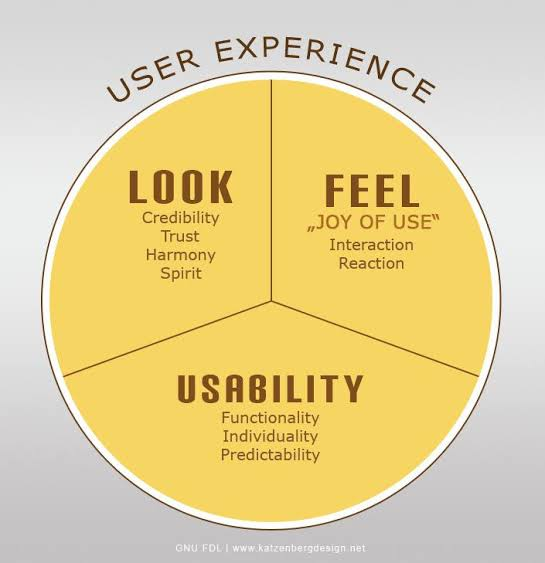
In today’s digital world, user experience (UX) has become one of the most important factors that determine the success of a website, application, or digital product. A great user experience is not only about creating an attractive design but also about ensuring that users can easily navigate, understand, and interact with a platform. Businesses that focus on UX are more likely to build customer trust, increase engagement, and encourage long-term loyalty. Whether users are visiting an online store, reading content, or exploring a service, every interaction shapes their overall impression.
A well-designed experience helps users achieve their goals quickly and effortlessly. Many successful digital platforms focus on providing simple navigation, fast performance, and meaningful interactions. For example, websites that prioritize convenience and accessibility often create stronger connections with their audiences. Even platforms related to entertainment and online services, such as a situs qqmacan demonstrate the importance of organized layouts and smooth user interactions to keep visitors engaged.
Understanding User Experience
User experience refers to the complete journey a person has while interacting with a product, service, or website. It includes everything from the first impression of a design to the ease of completing a task. UX combines elements of psychology, design, technology, and user research to create solutions that meet user needs.
A successful user experience considers what users expect, what problems they face, and how efficiently those problems can be solved. A website may have advanced features, but if users find it confusing or difficult to use, they are likely to leave. Therefore, UX focuses on making digital experiences simple, useful, and enjoyable.
1. User-Friendly Design
One of the most important elements of great UX is a user-friendly design. A clean and organized interface allows visitors to understand information quickly without unnecessary confusion. Good design does not overwhelm users with too many elements; instead, it highlights important features and guides users naturally.
A user-friendly design includes proper spacing, readable fonts, clear buttons, and logical layouts. Every visual element should have a purpose. When users can easily identify where to click, search, or find information, they are more likely to have a positive experience.
Consistency is also essential. Colors, icons, menus, and design patterns should remain similar throughout a website or application. This creates familiarity and helps users feel comfortable while navigating.
2. Simple and Clear Navigation
Navigation plays a major role in determining whether users can find what they need. A great user experience requires a navigation system that is simple, predictable, and easy to understand.
Menus should be clearly labeled, and important pages should be accessible with minimal effort. Users should not have to spend time searching for basic information. A well-structured navigation system reduces frustration and improves satisfaction.
Effective navigation also includes search functionality, filters, and helpful categories. These features allow users to quickly locate specific content, products, or services. When navigation feels effortless, users are more likely to explore a platform for longer periods.
3. Fast Loading Speed and Performance
Website performance directly affects user satisfaction. Modern users expect digital platforms to load quickly, and delays can lead to frustration or abandonment. A slow website creates a negative impression, even if the design and content are excellent.
Optimizing images, reducing unnecessary code, and improving server performance are important steps toward creating a faster experience. A responsive platform that works smoothly across different devices also contributes to better usability.
Speed is not just a technical factor; it is a key part of user perception. Faster websites feel more reliable and professional, which helps build confidence among visitors.
4. Mobile-Friendly Experience
With the increasing use of smartphones, mobile-friendly design has become essential. Users expect websites and applications to function properly on different screen sizes and devices.
A responsive design automatically adjusts content and layouts according to the device being used. Buttons should be easy to tap, text should remain readable, and important features should be accessible without difficulty.
A poor mobile experience can cause users to leave quickly. Businesses that prioritize mobile UX can reach more people and provide consistent experiences across all platforms.
5. Accessibility for All Users
Accessibility is a crucial part of modern user experience design. A great digital product should be usable by people with different abilities and needs.
Accessibility features may include alternative text for images, keyboard navigation, proper color contrast, and screen reader compatibility. These improvements help create an inclusive environment where more users can interact comfortably.
Designing for accessibility also improves overall usability. Clear layouts, readable content, and simple interactions benefit everyone, not just users with specific challenges.
6. Understanding User Needs Through Research
User research helps designers understand what people actually need and expect. Instead of making assumptions, businesses can collect information through surveys, interviews, testing, and user feedback.
Research allows teams to identify common problems and develop solutions that improve satisfaction. By understanding user behavior, designers can create experiences that feel natural and valuable.
Continuous testing is also important. User expectations change over time, so businesses should regularly evaluate and improve their digital experiences.
7. Effective Content Strategy
Content is another important element of UX. Even the best design cannot succeed if the information provided is unclear or unhelpful. Good content should be accurate, concise, and easy to understand.
Headings, short paragraphs, bullet points, and visual elements help users scan information quickly. Clear language reduces confusion and allows visitors to find answers faster.
A strong content strategy focuses on delivering value rather than simply filling pages with information. Every piece of content should support the user’s goals and improve their overall journey.
8. Building Trust and Security
Trust is a fundamental part of user experience. Users need to feel confident that a website or application is reliable and secure. Clear policies, transparent communication, and secure interactions help establish credibility.
Security features such as protected transactions, privacy controls, and trustworthy design elements encourage users to continue using a platform. When people feel safe, they are more likely to engage and return.
A professional appearance also contributes to trust. Poor design, broken links, or outdated information can create doubts and negatively affect user perception.
9. Personalization and User Engagement
Personalization can significantly improve the user experience by making interactions more relevant. By understanding user preferences and behaviors, platforms can provide customized recommendations, content, and features.
Personalized experiences help users feel valued and improve engagement. However, personalization should be balanced with privacy considerations. Users should have control over their data and understand how personalization works.
Meaningful engagement comes from creating experiences that support users rather than simply encouraging more activity.
10. Continuous Improvement
User experience design is not a one-time process. Successful companies continuously analyze feedback, monitor performance, and make improvements based on changing user expectations.
Analytics tools can provide valuable insights into user behavior, such as which pages perform well and where users experience difficulties. These insights help teams make informed decisions.
Regular updates ensure that a digital product remains useful, competitive, and aligned with user needs.
Conclusion
A great user experience combines thoughtful design, easy navigation, strong performance, accessibility, valuable content, and continuous improvement. The goal of UX is to make interactions simple, enjoyable, and meaningful for users.
Businesses that invest in user experience can create stronger relationships with their audiences and achieve better long-term results. As digital competition continues to grow, providing a smooth and satisfying experience is no longer optional—it is a necessity. By focusing on user needs and constantly improving, organizations can build platforms that users trust, enjoy, and return to.