
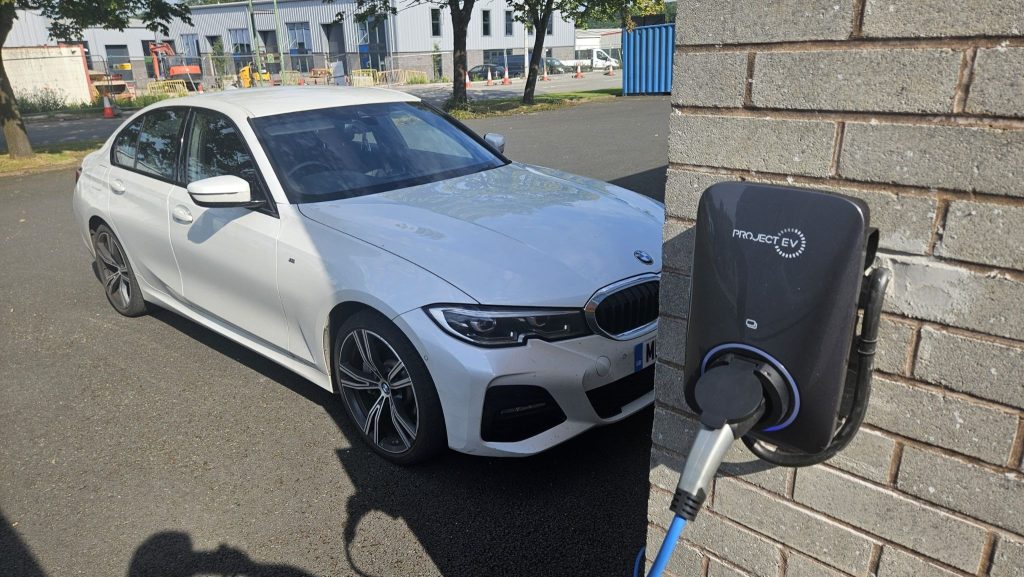
Switching to an electric vehicle can make everyday driving more convenient, but owning an EV also changes the way you think about refuelling. Instead of visiting a petrol station, many drivers can simply plug their vehicle in at home or at work and have it ready for the next journey. The quality of the charging setup, however, depends heavily on choosing the right equipment and having it installed correctly.
Professional EV Charger Installation Telford services can provide a practical solution for homeowners, landlords and businesses looking for dependable charging infrastructure. From assessing the property’s electrical system to selecting a suitable charger and completing safety checks, a properly planned installation can make EV ownership much easier.
Why Install an EV Charger at Your Property?
Public charging networks continue to provide useful options, but having a dedicated charger at home offers a different level of convenience. You can charge your vehicle while sleeping, working or simply spending time at home without making a separate trip to find an available charging point.
Home charging can also make it easier to take advantage of electricity tariffs that offer lower rates during particular periods. Depending on your energy plan and driving habits, charging overnight or during off-peak periods may help reduce the overall cost of running an electric vehicle.
For businesses, installing chargers can be equally valuable. Workplace charging gives employees a convenient place to replenish their vehicles during working hours, while commercial charging points can support company EV fleets and improve facilities for customers or visitors.
Choosing EV Charger Installation Shropshire services from an experienced electrical contractor also means the installation can be considered alongside the property’s wider electrical requirements.
Understanding Different EV Charger Speeds
Not every EV charger delivers power at the same rate. The most appropriate option depends on the vehicle, available electrical capacity, expected usage and the location where the charger will be installed.
Slow Charging
Slow chargers operating around 3kW are generally associated with longer charging periods. They can be suitable when a vehicle is parked for many hours, such as overnight, although they may not be the most practical option for drivers who regularly need quick top-ups.
Fast Charging
7kW chargers are a popular choice for residential installations because they can provide a useful balance between charging speed and practicality. A 22kW setup can offer considerably faster charging where the property and vehicle are capable of supporting it.
For many homeowners, the best charger is not necessarily the one with the highest theoretical power. Instead, it should match how the vehicle is used and what the property’s electrical infrastructure can safely accommodate.
Rapid and Ultra-Rapid Charging
Rapid chargers around 50kW and ultra-rapid systems of 150kW or more are generally associated with dedicated public charging facilities. They can replenish an EV much faster than typical domestic systems, but such installations involve substantially different electrical requirements.
This is why selecting a home charger should involve more than simply choosing the fastest model available.
What Does an EV Charger Installation Involve?
A professional installation starts well before the charger is mounted on the wall. An electrician needs to understand the property and determine how the charging point can be safely integrated with the existing electrical system.
Property Assessment
The first stage is normally an assessment of the proposed installation location. This can help identify the most suitable position for the charger and determine whether additional electrical or groundwork is necessary.
The installer may consider the distance between the consumer unit and charger, cable routing, the location of the parking space, wall construction and any outdoor requirements.
Selecting the Right Equipment
Different EV chargers offer different features, designs and charging capabilities. Some models provide app-based controls, allowing users to monitor charging, schedule sessions and manage energy use from a smartphone.
A good installer can discuss available options according to your budget, vehicle and expected charging routine rather than pushing a one-size-fits-all product.
Electrical Installation
Once the plan has been established, qualified technicians can carry out the necessary electrical work and install the charging equipment. Cable routes should be carefully considered so the finished installation is neat, practical and protected from unnecessary damage.
Where external cabling or groundworks are required, these should also be incorporated into the installation plan instead of being treated as an afterthought.
Testing and Demonstration
The installation should be tested before it is handed over to the customer. This gives the electrician an opportunity to verify that the system operates correctly and that the relevant safety requirements have been addressed.
Customers should also understand how to use the charger and any connected application. A short demonstration can make the transition to home charging much simpler.
Benefits of Professional EV Charger Installation
There are several reasons to use a qualified electrical contractor instead of treating an EV charger as a simple plug-and-play appliance.
1. Improved Convenience
A dedicated charger at home means you can return from a journey and connect your vehicle without depending entirely on public charging stations. For regular EV drivers, this can make daily routines significantly easier.
2. Better Charging Management
Modern chargers can provide useful control features, including scheduled charging and app-based monitoring. These functions can help EV owners manage charging around their lifestyle and energy tariff.
3. Potential Cost Savings
Home charging may be more economical than repeatedly relying on public charging points, particularly where electricity can be purchased at a favourable rate. The actual savings will depend on your tariff, vehicle efficiency and charging habits.
4. Support for Lower-Carbon Transport
Electric vehicles can reduce dependence on petrol and diesel, and charging them with electricity from renewable sources can further support efforts to reduce transport-related emissions.
5. A More Suitable Electrical Setup
Professional installation considers the property’s existing electrical infrastructure rather than simply connecting a charger without assessing the wider system. This is particularly important where the property has older electrical equipment or demanding electrical loads.
6. Ongoing Support
A reputable installer can remain available after the initial installation if questions, maintenance requirements or technical issues arise. This can be especially valuable for customers who are new to EV charging technology.
EV Charging for Telford Businesses and Commercial Properties
EV charging is not limited to private driveways. Offices, industrial premises, retail locations, hospitality businesses and other commercial properties may benefit from dedicated charging infrastructure.
A business may install chargers for company vehicles, staff or visitors, depending on its requirements. Commercial installations can also form part of a broader electrical project involving three-phase systems, lighting, security infrastructure, data cabling and planned maintenance.
The installation process should therefore begin with an assessment of how the chargers will actually be used. A workplace with several EV drivers may have very different requirements from a small business that only needs one charging point.
Experienced electrical contractors can also consider future demand. Installing suitable infrastructure today may make it easier to expand the charging provision as electric vehicle ownership increases.
Why Experience Matters When Choosing an Installer
EV charging combines modern vehicle technology with the property’s electrical system, making competent installation important. An experienced electrical team should understand current electrical practices, safe cable routing, testing procedures and the practical challenges associated with residential and commercial properties.
A contractor with broad electrical experience can also identify related issues that might otherwise be overlooked. For example, the installation may reveal a need to consider existing consumer units, cable capacity or the route between the charging point and electrical supply.
For customers searching for EV Charger Installation Telford, it is worth looking beyond the charger brand or advertised installation price. Consider the contractor’s qualifications, experience, insurance, customer support and approach to testing and handover.
A Straightforward Installation Process
A well-managed project does not need to be complicated for the customer.
The process can typically follow four main stages:
Consultation and assessment: Your property, vehicle and charging requirements are discussed.
Charger selection: The installer recommends suitable equipment based on your circumstances and budget.
Installation and testing: Qualified technicians complete the electrical work, install the charger and test its operation.
Handover and support: You receive guidance on using the charger and its features, with support available if assistance is needed later.
This structured approach helps prevent unexpected problems and ensures that the charging system is designed around the property rather than simply installed wherever it is easiest.
Choosing EV Charger Installation Shropshire
If you are considering EV Charger Installation Shropshire, choosing a local electrical specialist can provide several practical advantages. A contractor familiar with residential and commercial properties in the area can assess the installation environment and provide advice based on the actual site.
Severn Volts Limited, for example, provides electrical services across residential, commercial and industrial settings and has extensive industry experience. Its wider electrical capabilities include installation, testing, maintenance and complex electrical work, allowing EV charging projects to be considered as part of the property’s overall electrical requirements.
The company also highlights qualified technicians, customer support and a consultation-led installation process, with charger setup followed by testing and handover.
Conclusion
Installing an EV charger is an investment in the way you will use your electric vehicle every day. The right system can remove the inconvenience of relying solely on public charging stations, make charging easier to manage and potentially help control running costs.
Whether you need a charger for your driveway, workplace or commercial premises, the installation should be planned around your vehicle, electrical capacity, parking arrangements and future requirements.
Professional EV Charger Installation Telford can provide the expertise needed to move from choosing a charger to having a dependable charging system that is properly installed, tested and ready for everyday use. With the right planning and qualified electrical support, charging your EV can become one of the simplest parts of your daily routine.