
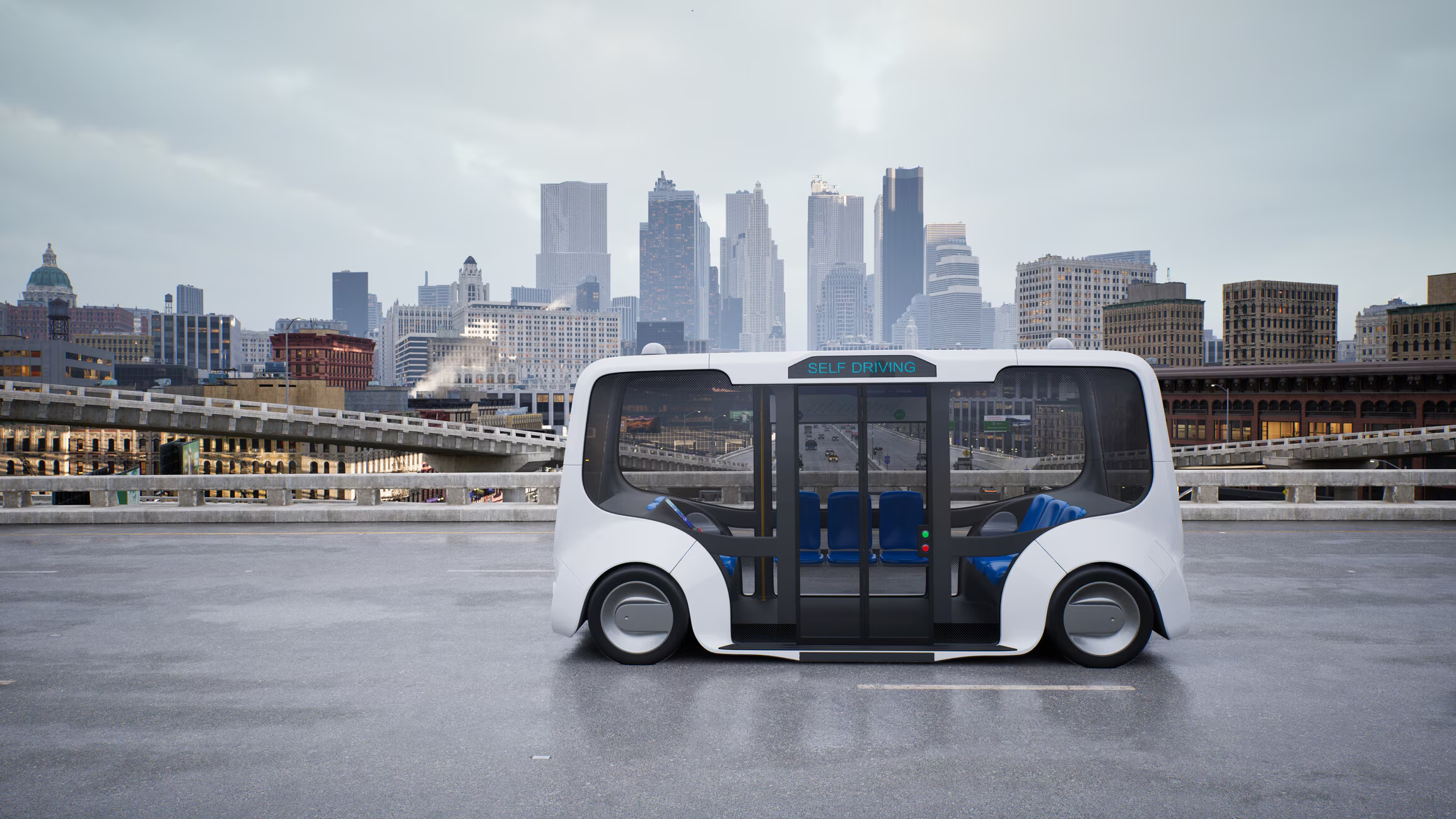
The way people move around cities is undergoing a major transformation. Autonomous vehicles—developed using artificial intelligence, advanced sensors, and communication systems—represent one of the automotive sector’s greatest innovations. This technology promises to make transportation safer, more efficient, and better suited to the needs of an increasingly connected society.
Autonomous cars operate using a combination of cameras, radar, and intelligent software capable of interpreting their surroundings. These systems identify obstacles, analyze traffic, and make real-time decisions to navigate the vehicle. The primary goal is to reduce accidents caused by human error and create a more comfortable transportation experience for passengers.
Beyond safety, autonomous mobility can benefit city planning. With vehicles connected to one another and to urban systems, it will be possible to improve traffic flow, reduce congestion, and optimize road usage. This integration is part of a broader movement toward the digitalization of urban spaces, where technology and infrastructure work together to improve quality of life.
The growth of digital solutions has also expanded the range of services available online. The internet hosts platforms catering to diverse needs and audiences—including specialized sites like 20Bet—demonstrating how connectivity has created an increasingly diverse universe of experiences.
Another significant impact of autonomous vehicles relates to sustainability. When paired with electric motors and intelligent energy management systems, these vehicles can help reduce pollutant emissions. Furthermore, ride-sharing technologies can decrease the number of cars on city streets, making mobility more efficient.
Despite these advances, the widespread adoption of autonomous vehicles still faces challenges. Issues regarding regulation, system security, and the adaptation of urban infrastructure must be addressed before this technology becomes fully integrated into daily life. There is also a debate regarding the relationship between automation and the future of professions linked to transportation.
In the coming years, advancements in artificial intelligence and communication networks are expected to accelerate the development of autonomous vehicles. The combination of technological innovation, sustainability, and connectivity could completely transform the way people move around. More than just an automotive novelty, this technology represents a profound shift in the relationship between humans, machines, and cities, paving the way for smarter, more efficient mobility.