
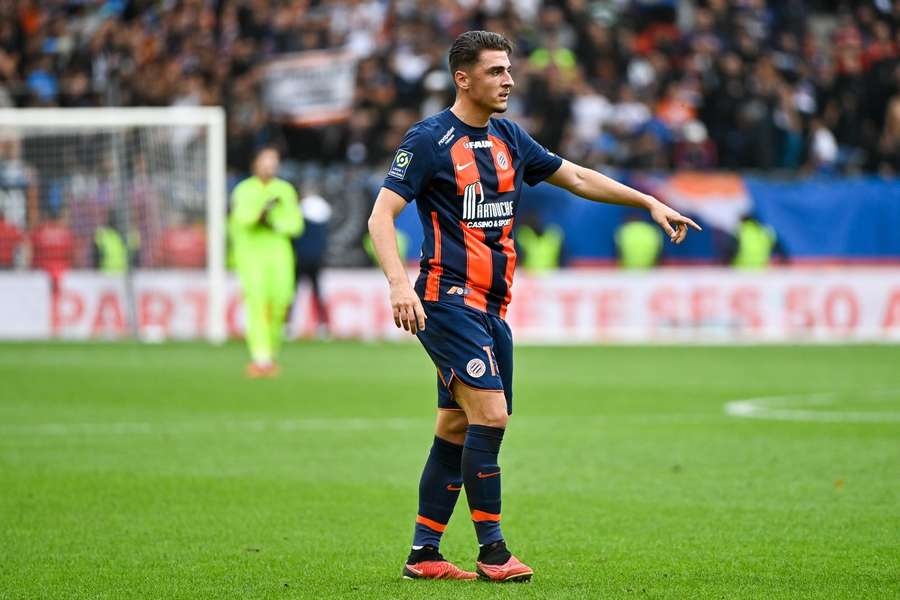
Joris Chotard explores the professional journey of a composed French midfielder who has grown steadily in Ligue 1. The following is a summary of information from Xoilac about “Joris Chotard Biography”, highlighting his background, development, and tactical value. From youth academy promise to top-flight consistency, his evolution reflects discipline and football intelligence.
Early Life And Professional Foundations
Born in France, Joris Chotard developed within a structured football environment that shaped his disciplined mindset and tactical awareness. His early years reflected consistency, humility, and technical growth, building the platform for professional success.
- Full Name: Joris Chotard.
- Date of Birth: September 24, 2001.
- Place of Birth: Orange, France.
- Nationality: French.
- Height: Approximately 1.79 meters.
- Position: Central Midfielder.
- Current Club: Montpellier HSC.
Youth Development At Montpellier Academy
Chotard joined the youth academy of Montpellier at an early age, where technical training and positional discipline were prioritized. Coaches quickly recognized his calmness under pressure and strong passing accuracy. His progression through youth levels demonstrated maturity beyond his age, especially in central midfield roles demanding balance and awareness.
First-Team Breakthrough And Ligue 1 Debut
After consistent performances in youth competitions, Chotard earned promotion to the senior squad. His Ligue 1 debut marked a defining moment in the Joris Chotard Biography, as he transitioned smoothly into top-level competition. Rather than relying solely on physical strength, he impressed through positioning and intelligent ball circulation.
Club Career Progression And Competitive Impact
The steady rise of Chotard’s career highlights his adaptability in a demanding league. Operating primarily in central midfield, he has contributed both defensively and offensively while maintaining tactical balance for his team.
Tactical Role In Central Midfield
Within Montpellier’s system, Chotard often plays as a deep-lying midfielder. His primary responsibility includes recovering possession, distributing short passes, and maintaining rhythm. Unlike creative attacking midfielders, his influence appears subtle yet essential, ensuring structural stability.
His passing range, while not flashy, remains effective in maintaining tempo. This composure under pressure has strengthened the narrative of the Joris Chotard Biography, showing how intelligence can define a midfielder’s importance.
Defensive Awareness And Ball Recovery
Defensive contribution stands out as a defining element of his game. Chotard reads opponents’ movements carefully, intercepting passes before danger escalates. His anticipation allows him to compensate for average physical build through smart positioning.
This quality has helped Montpellier maintain midfield balance against stronger opponents in Ligue 1. The ability to transition quickly from defense to attack reinforces his tactical reliability.
Read more on Xoilac TV https://solemarbeach.com/top-ghi-ban/
Consistency Across Domestic Seasons
Season after season, Chotard has maintained steady appearances in domestic competitions. Rather than explosive statistics, his value lies in reliability. Coaches trust him to execute instructions precisely, especially in tightly contested matches. Such consistency strengthens the broader Joris Chotard, illustrating a player focused on long-term development instead of short-term recognition.
Playing Style And Technical Identity
Understanding his playing identity requires examining movement, mentality, and adaptability. Chotard embodies the modern European midfielder who blends defensive awareness with structured distribution.
Composure Under Pressure
In high-tempo matches, Chotard rarely appears rushed. He receives the ball calmly, scans options quickly, and delivers safe yet progressive passes. This mental clarity distinguishes him from inexperienced midfielders. The composure reflected throughout the Joris Chotard Biography emphasizes maturity as a central theme in his development.
Positional Intelligence And Team Balance
Rather than chasing headlines, Chotard maintains positional discipline. He protects defensive lines and supports full-backs when required. This structured movement ensures tactical equilibrium during transitions.
His intelligence allows coaches to experiment with formations while retaining midfield stability. Whether deployed in a double pivot or a single holding role, he adapts seamlessly.
International Experience And Future Outlook
Beyond domestic competition, Chotard has represented France at youth levels. Participation in youth international tournaments provided exposure to diverse tactical systems and competitive intensity.
These experiences enriched the Joris Chotard Biography, expanding his football education beyond club responsibilities. Competing against elite European prospects sharpened his decision-making speed and spatial awareness.
Looking ahead, his development trajectory suggests further growth. Continued exposure to higher-level competition may elevate his leadership presence within midfield structures. While not characterized by flamboyant style, his reliability and professionalism create strong foundations for sustained progress.
Achievements And Professional Recognition
Although still in early stages of his senior career, Chotard has earned recognition for consistency and discipline. Regular appearances in Ligue 1 reflect trust from coaching staff.
Team-oriented contributions often outweigh individual awards in his profile. The essence of the Joris Chotard lies not in dramatic headlines but in structured evolution and tactical responsibility. Such attributes frequently define long-lasting careers in European football.
Conclusion
Joris Chotard Biography presents the journey of a disciplined midfielder whose career reflects tactical intelligence and steady progression. From academy training to Ligue 1 stability, his growth underscores consistency, maturity, and positional awareness. As he continues refining his craft, his profile suggests long-term relevance within competitive European football.